

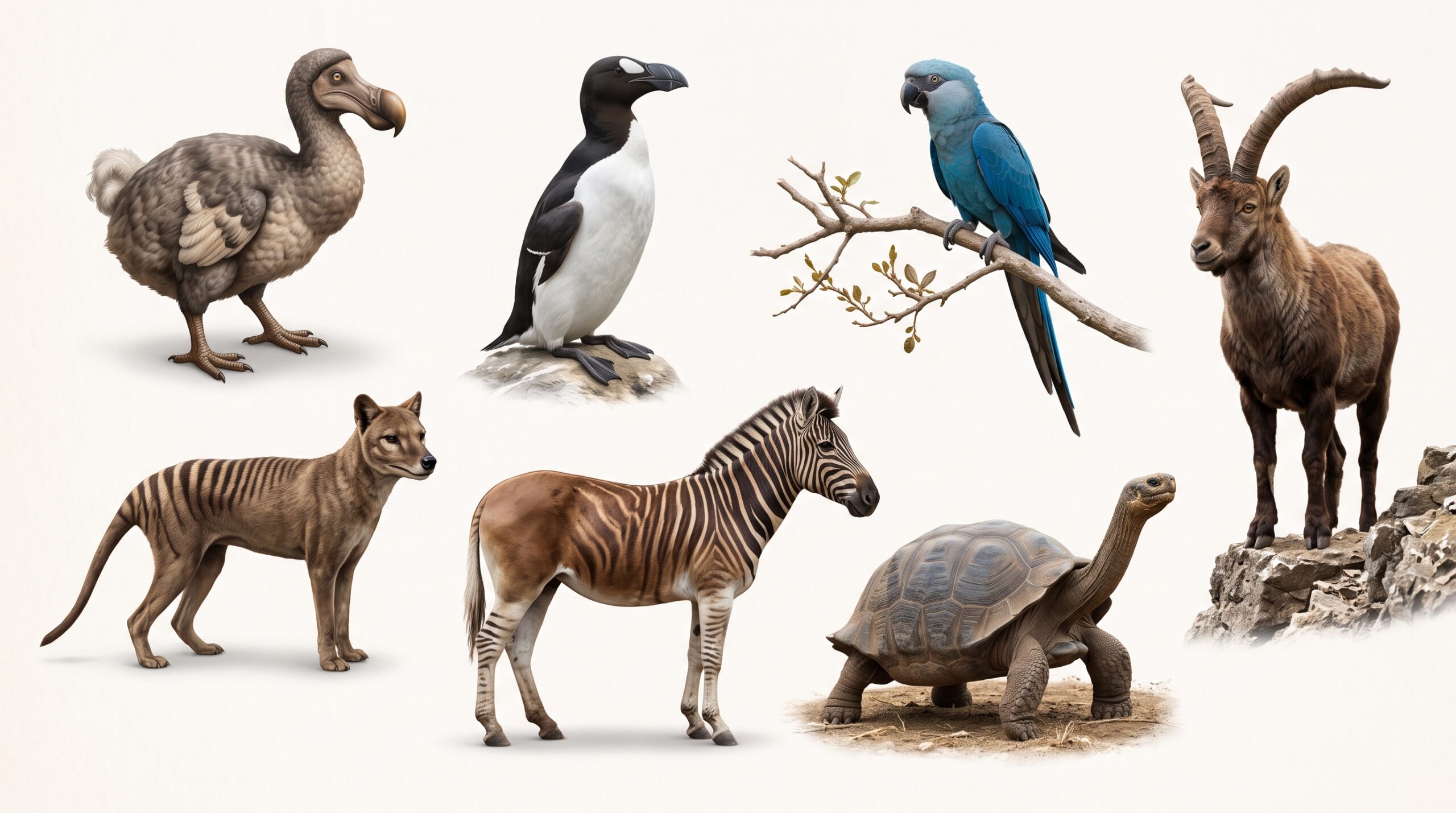
Extinction can happen slowly over centuries or surprisingly quickly within a few decades. Some of the extinct animals below disappeared because of hunting, habitat destruction, introduced predators, disease, or a combination of several threats. Their stories also show why protecting endangered species before their numbers become critically low is so important. The IUCN Red List uses categories such as Endangered, Critically Endangered, Extinct in the Wild, and Extinct to describe species’ conservation status.
1. Dodo
Extinct: Around 1662 | About 364 years ago
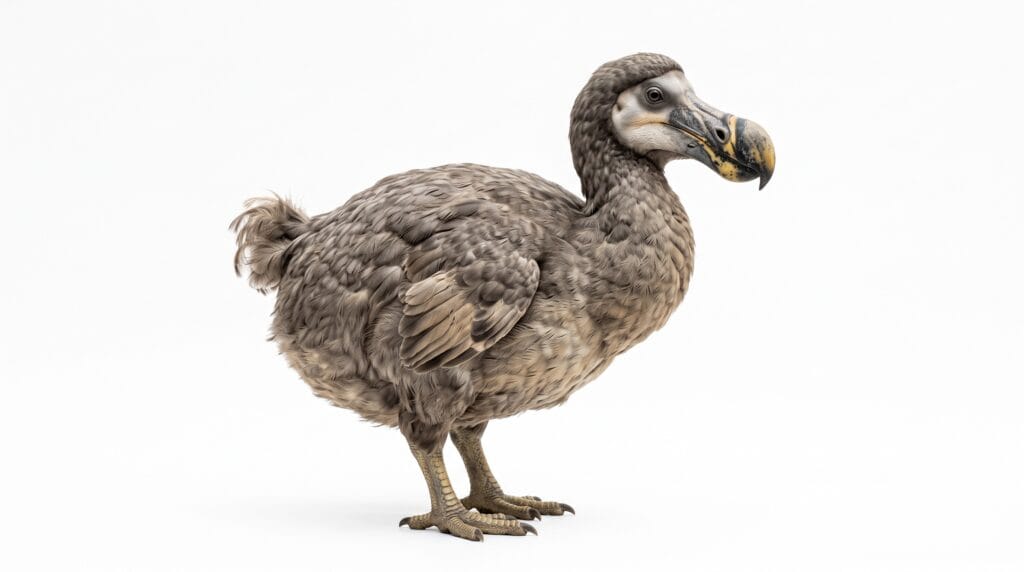
The dodo was a flightless bird found only on Mauritius. Because it evolved without major land predators, it had little need to fly or defend itself from mammals. Contrary to its popular image as a foolish bird, the dodo was well adapted to its island environment.
Its decline began after humans arrived. People hunted dodos, but introduced animals such as rats, pigs, dogs and cats were an even bigger problem because they could destroy nests and eat eggs and young birds. Habitat changes added further pressure. The last confirmed sighting was in 1662, although the exact extinction date remains uncertain. The dodo became one of the world’s best-known symbols of extinction and a reminder of how vulnerable island wildlife can be.
Read more: Dodo Bird and Its Extinction. Here’s What Scientists Know
2. Tasmanian Tiger
Extinct: 1936 | About 90 years ago

The Tasmanian tiger, or thylacine, was a striped marsupial that looked somewhat like a dog. It once lived across Australia and New Guinea, but survived into modern times only in Tasmania.
European settlers considered it a threat to livestock, leading to widespread hunting and government bounty programs. Habitat loss, competition and disease may also have contributed to its decline.
The last confirmed wild thylacine was killed in 1930. The final known individual died in captivity at Hobart Zoo on September 7, 1936. Protection came too late to save the species.
3. Passenger Pigeon
Extinct: 1914 | About 112 years ago

The passenger pigeon was once one of the most abundant birds in North America. Its population may have numbered in the billions, with enormous flocks sometimes containing hundreds of thousands of birds.
Commercial hunting caused a catastrophic decline. The birds were killed for cheap meat, while large-scale forest clearing destroyed important nesting and feeding areas. Their habit of gathering in huge colonies made it possible for hunters to kill enormous numbers at once.
By the late 19th century, the population had collapsed. The last confirmed wild passenger pigeon was recorded in 1900. The final known bird, a female named Martha, died at Cincinnati Zoo on September 1, 1914.
4. Great Auk
Extinct: 1844 | About 182 years ago
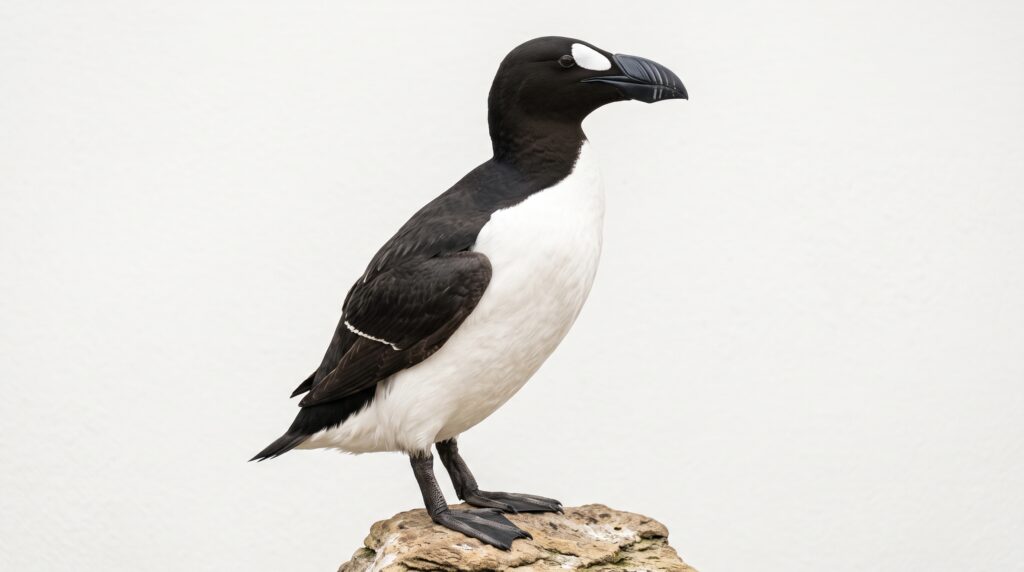
The great auk was a large, flightless seabird of the North Atlantic. It looked somewhat like a penguin, but the two groups were not closely related. Its small wings were adapted for swimming underwater rather than flying.
Great auks gathered in breeding colonies on rocky islands. Unfortunately, this made them easy targets. People hunted them for meat, feathers, fat and oil, while their eggs were also collected. As the species became rare, museum collectors continued searching for specimens.
The final confirmed pair was killed on Eldey Island, Iceland, in June 1844. The female had been sitting on an egg when the birds were captured.
5. Quagga
Extinct: 1883 | About 143 years ago
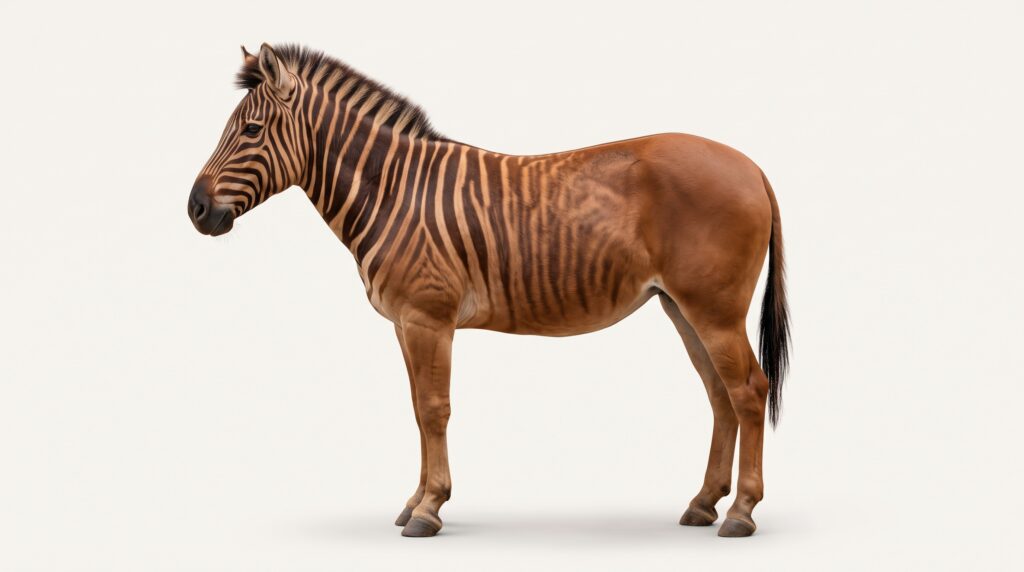
The quagga was a South African relative of the zebra. Unlike modern zebras, it had strong stripes mainly on its head and front body, while its rear was mostly brown.
Quaggas were hunted for their meat and hides, while farmers also killed them because they competed with livestock for food. Hunting and the conversion of natural grasslands caused their numbers to fall rapidly.
Wild quaggas had disappeared by the late 19th century. The last known captive quagga, a female at Amsterdam’s Artis Zoo, died on August 12, 1883.
The quagga later became important to scientists studying extinction and genetics. DNA from museum specimens helped confirm that it was not a separate type of zebra, but a subspecies of the plains zebra.
6. Tecopa Pupfish
Extinct: 1981 | About 45 years ago
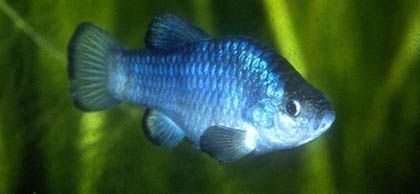
The Tecopa pupfish was a tiny desert fish that lived in two hot spring outflows in California’s Death Valley region. It was remarkably tough and could survive extremely warm, salty water.
Its habitat was altered during development of the springs. In 1965, the two spring outflows were changed and combined, creating faster and hotter water that the fish could not tolerate. Introduced fish also competed with or preyed upon the pupfish.
The species was added to the endangered species list in 1970. After extensive searches failed to find surviving populations, the U.S. Fish and Wildlife Service officially declared it extinct in 1981.
7. Heath Hen
Extinct: 1932 | About 94 years ago
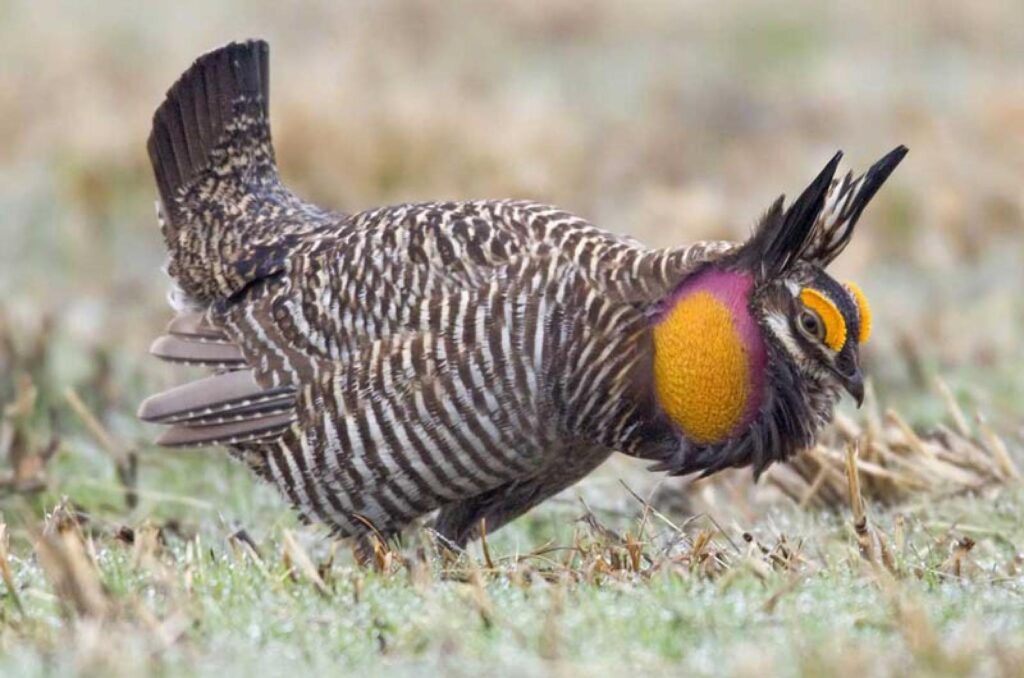
The heath hen was a subspecies of greater prairie-chicken that once lived along the eastern coast of North America. Heavy hunting and habitat loss reduced its numbers until only a population on Martha’s Vineyard survived.
Conservation efforts initially appeared successful. The population grew to around 2,000 birds by 1915. But a major fire, severe weather, predators and disease caused repeated declines. The tiny population also became increasingly vulnerable to genetic problems and poor reproduction.
By 1927, only 13 birds remained, and nearly all were males. The final male, nicknamed Booming Ben, was last seen on March 11, 1932.
8. Pyrenean Ibex
Extinct: 2000 | About 26 years ago
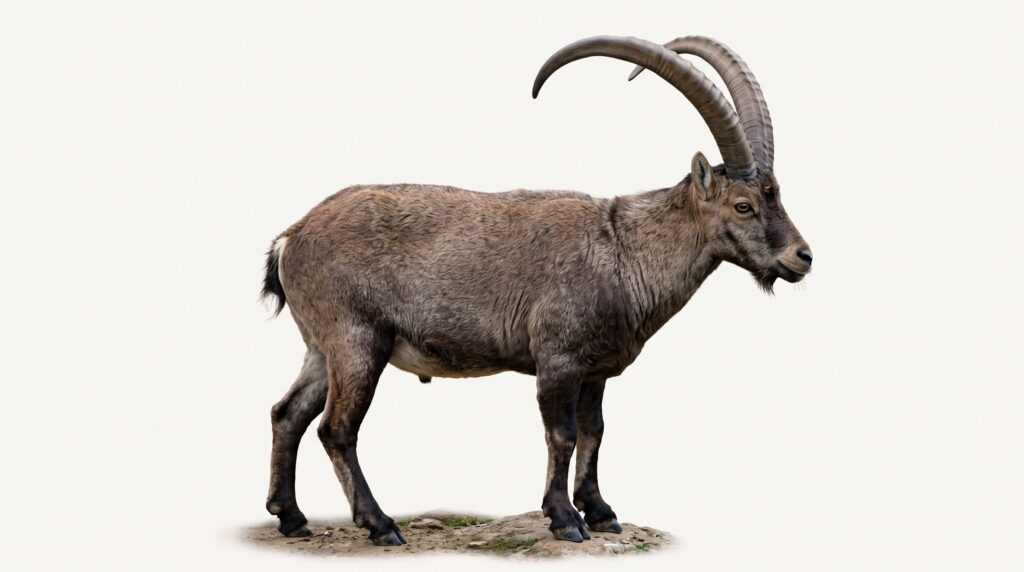
The Pyrenean ibex was a mountain goat subspecies native to the Pyrenees between Spain and France. Hunting greatly reduced its population, and conservation efforts failed to prevent its final decline.
The last known animal was a female named Celia, which died beneath a fallen tree on January 6, 2000. Her death made the Pyrenean ibex one of the most recently extinct mammals.
Scientists later attempted something extraordinary. In 2003, researchers used preserved genetic material to create a cloned Pyrenean ibex. The animal was successfully born but survived for only a few minutes because of severe lung problems.
The experiment showed that biotechnology might someday help recover lost genetic lineages, but cloning an extinct animal is far more complicated than simply producing a genetic copy.
9. Falkland Islands Wolf
Extinct: 1876 | About 150 years ago
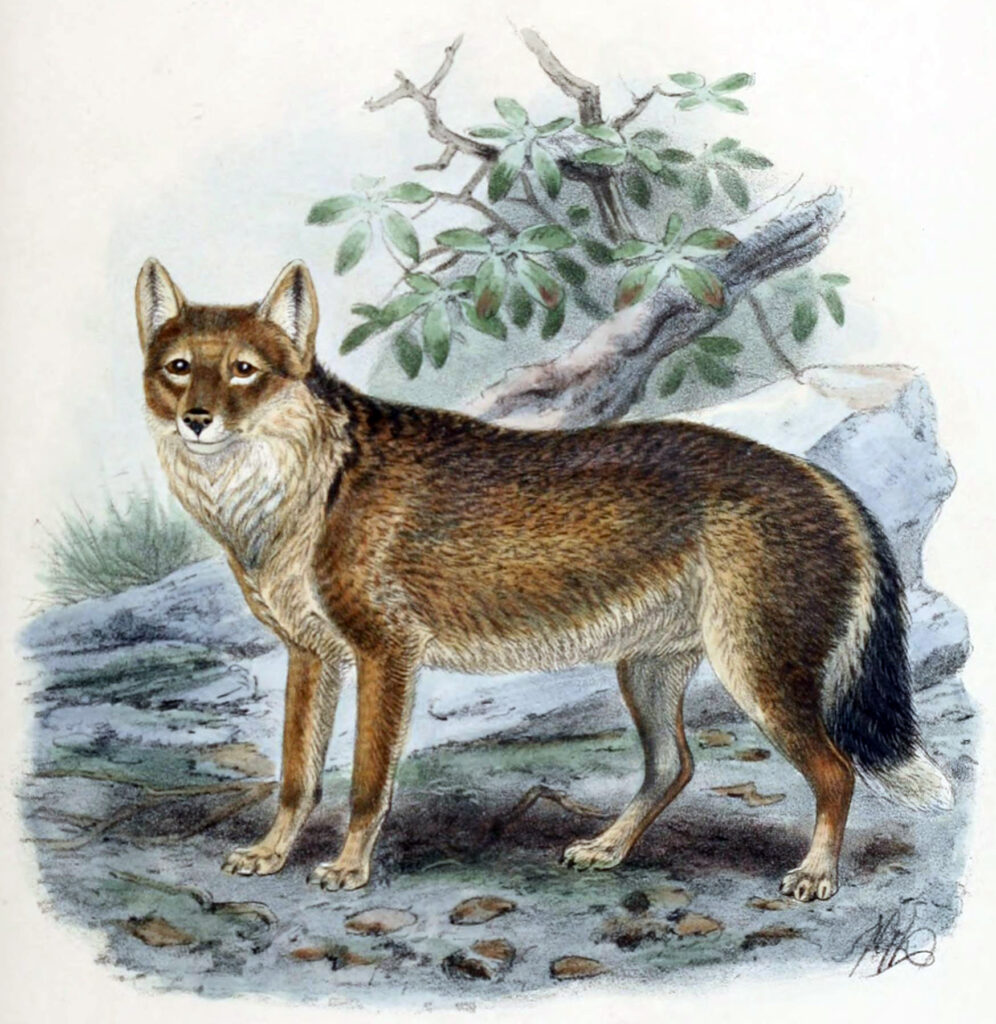
The Falkland Islands wolf, or warrah, was the only native land mammal of the Falkland Islands. It looked somewhat like a large fox and had evolved in isolation from mainland predators.
When European settlers developed sheep farming, the animals were increasingly viewed as a threat to livestock. They were hunted and poisoned, and their fur was also used. Charles Darwin visited the islands in 1833 and recognized that human activity could threaten the species.
The last known warrah was killed in 1876. Modern genetic research has shown that it was closely related to an extinct South American canid and represented a unique evolutionary lineage.
10. Bluebuck
Extinct: Around 1799 or 1800 | About 226 years ago
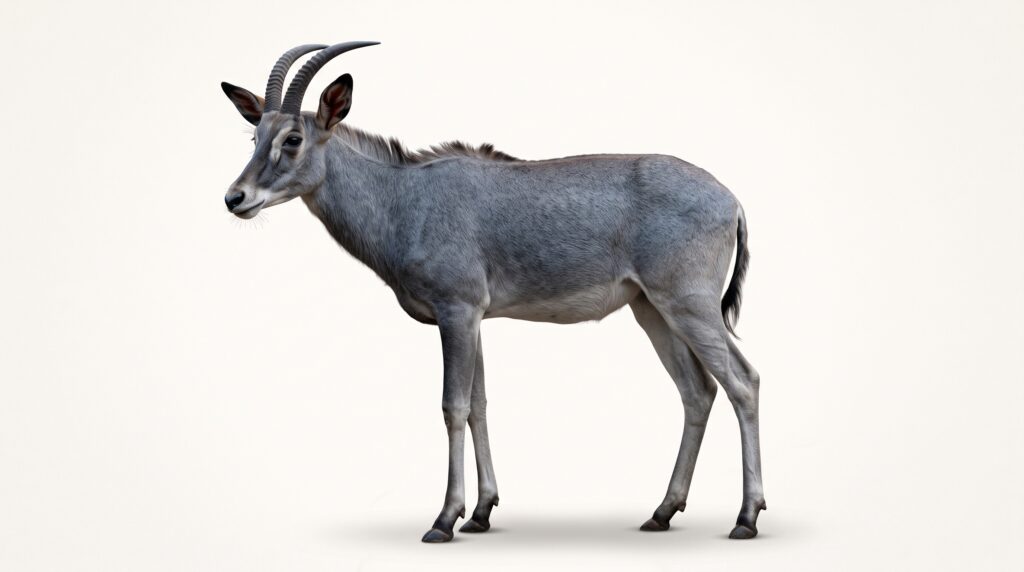
The bluebuck was an extinct antelope from southern Africa. Despite its name, it was not bright blue. Historical specimens suggest a grayish or blue-gray color, which probably inspired the name.
The species appears to have already had a relatively limited population and range. Hunting and the expansion of agriculture then placed additional pressure on the remaining animals. By the end of the 18th century, the bluebuck had become extremely rare.
The last known individuals disappeared around 1799 or 1800, although the exact date is uncertain. Only a small number of preserved specimens remain in museums. Genetic research on these specimens has helped confirm that the bluebuck was a distinct species.
11. Labrador Duck
Extinct: Around 1878 | About 148 years ago
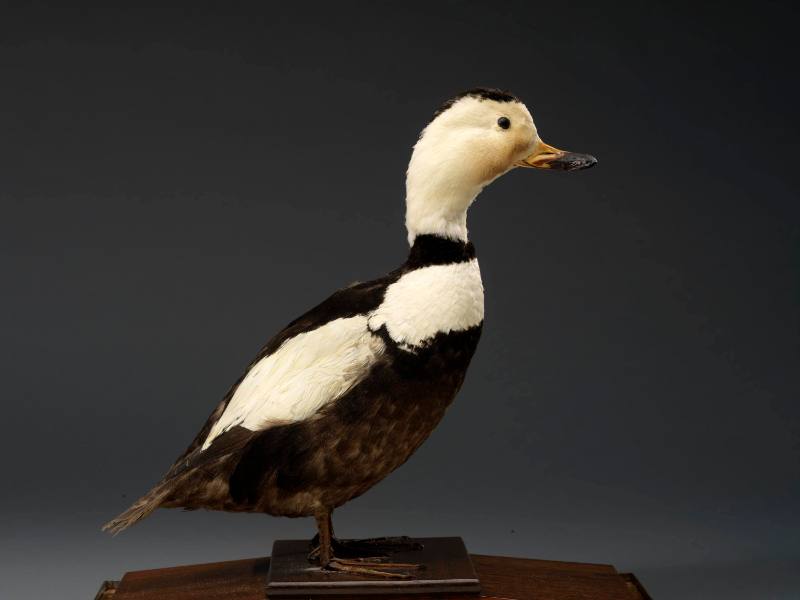
The Labrador duck was a mysterious North American sea duck that lived along the Atlantic coast. It was never especially common, and scientists still do not fully understand why it disappeared. The last reported specimen was killed near Elmira, New York, on December 12, 1878.
One likely problem was the decline of the small shellfish and other marine animals it ate. Hunting may also have contributed, although there is less evidence for heavy hunting than in some other extinct animals. Only a small number of museum specimens survive today.
12. Dusky Seaside Sparrow
Extinct: 1987 | About 39 years ago
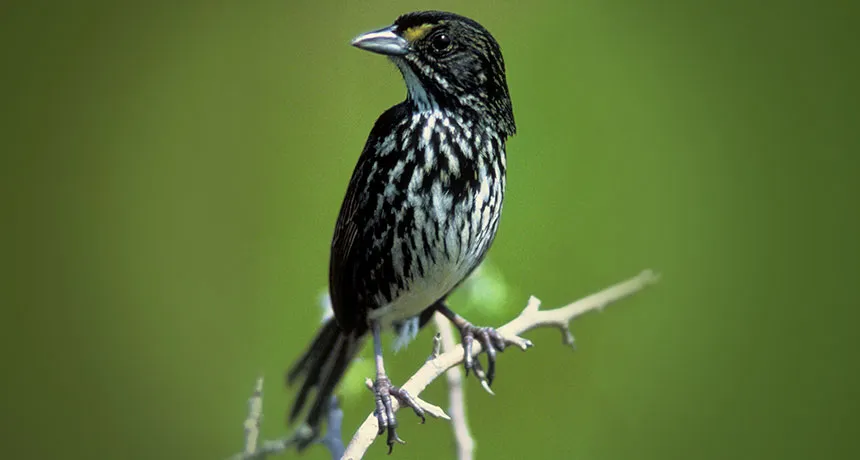
The dusky seaside sparrow lived in salt marshes around Florida’s St. Johns River and Merritt Island. Its habitat was gradually destroyed or altered as wetlands were drained and developed. Water management projects also changed the marshes the birds depended on.
By the 1970s, only a tiny population remained. Conservationists attempted captive breeding, but the population continued to decline. The last known pure dusky seaside sparrow, a male called Orange Band, died on June 16, 1987. The subspecies was officially declared extinct later.
13. Japanese Honshu Wolf
Extinct: 1905 | About 121 years ago
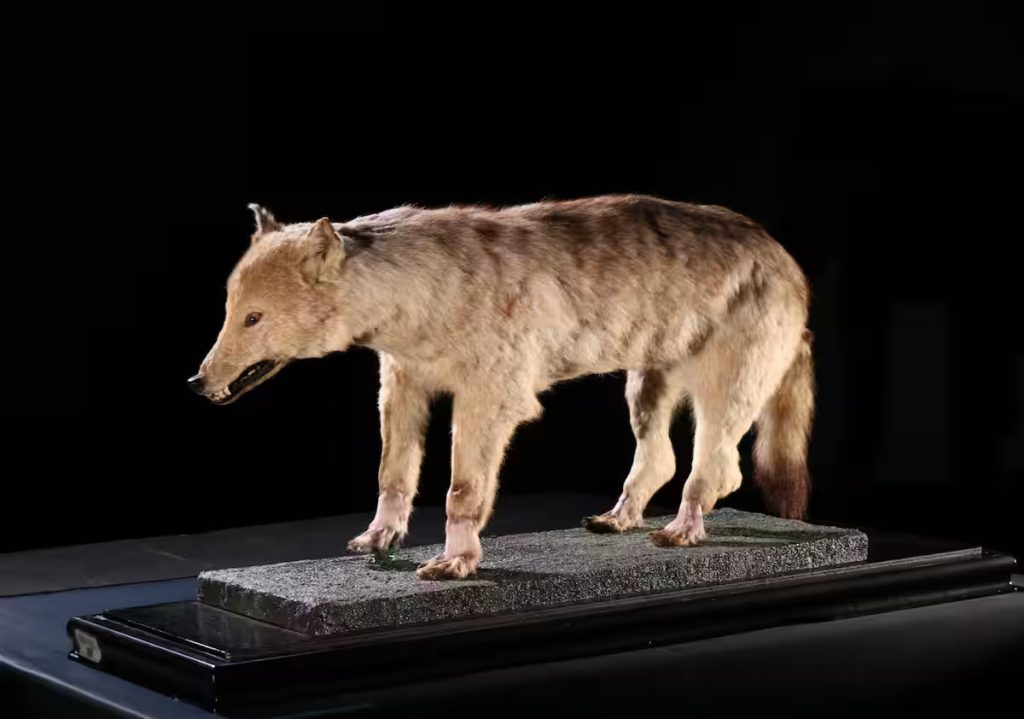
The Japanese Honshū wolf was a small wolf subspecies that lived on several Japanese islands. It was considerably smaller than many wolves found elsewhere and had adapted to Japan’s mountainous environment.
During Japan’s modernization, wolves increasingly came into conflict with livestock owners. Hunting and government-supported efforts to eliminate them reduced their numbers. Diseases such as rabies and canine distemper may also have contributed to their decline. The last confirmed specimens were recorded around 1904 or 1905.
14. Christmas Island Shrew
Extinct: Around 1985 | About 41 years ago

The Christmas Island shrew was a tiny mammal found only on Christmas Island in the Indian Ocean. It was once common, but its numbers fell dramatically during the 20th century. Only four confirmed records were made after 1900, including two specimens collected in 1985.
The exact reason for its disappearance remains uncertain. Possible threats include introduced rats and cats, habitat changes, disease and invasive species such as yellow crazy ants. Researchers have also warned that the animal’s extremely small population made it vulnerable to random events. The species was formally assessed as Extinct by the IUCN in 2025.
15. Alaotra Grebe
Extinct: 2010 | About 16 years ago
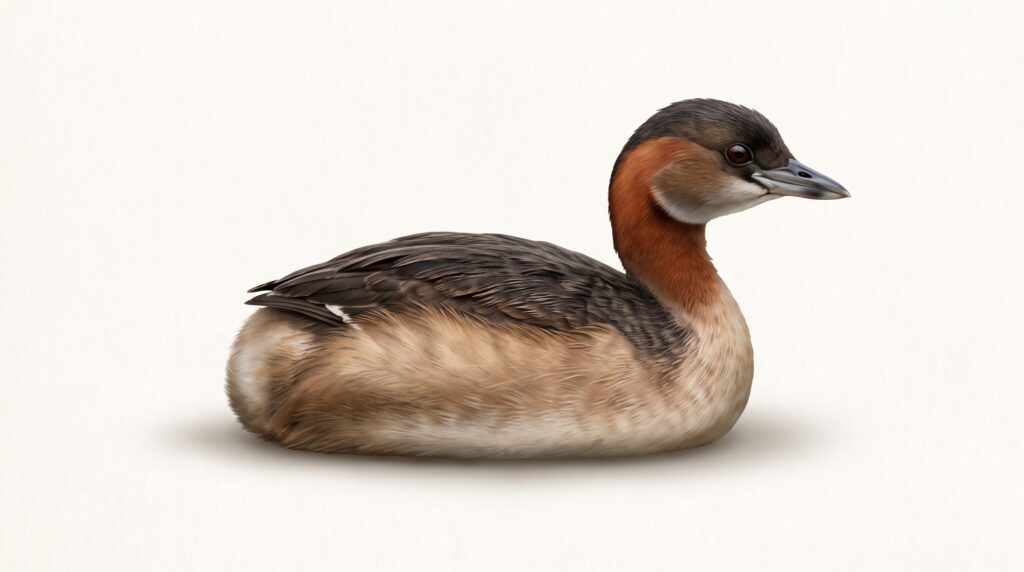
The Alaotra grebe was a small waterbird found only around Lake Alaotra in Madagascar. It had limited flying ability and was poorly suited to escaping environmental changes by moving to distant lakes.
Several threats contributed to its decline. The lake’s habitat was damaged, while introduced carnivorous fish preyed on birds and competed with them for food. The grebes also increasingly mixed with closely related little grebes, creating hybrids.
The last confirmed sighting was in the 1980s, with 1985 generally used as the final record. The species was officially declared extinct in 2010.
16. Poʻouli
Extinct: 2004 | About 22 years ago
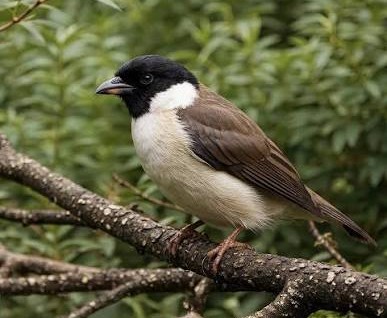
The poʻouli was a small Hawaiian bird found only on the island of Maui. It had a distinctive dark face and belonged to a group of Hawaiian honeycreepers that evolved into many specialized species.
Habitat destruction, introduced predators, disease and declining food sources all contributed to its disappearance. Its population became extremely small, making reproduction increasingly difficult. Conservationists even captured the last known birds in an attempt to find mates, but the effort failed. The last known individual died in captivity in 2004. No confirmed wild birds have been found since.
17. Spix’s Macaw
Extinct in the wild: 2000 | About 26 years ago
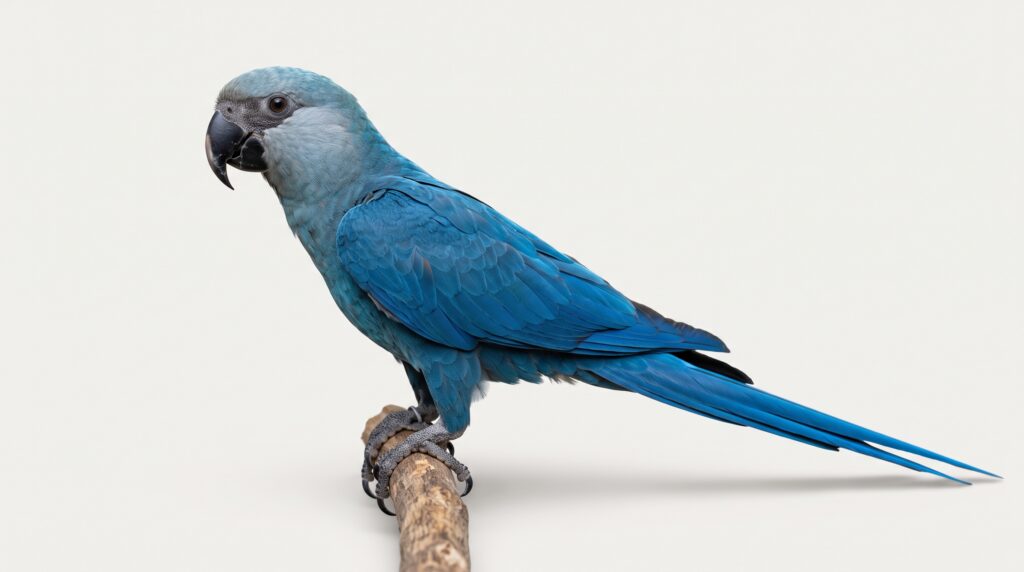
Spix’s macaw was a striking blue parrot native to northeastern Brazil. Its natural habitat was already limited, and deforestation reduced the remaining woodland. However, trapping for the illegal bird trade became one of the biggest threats to its survival.
By the end of 2000, no confirmed wild individuals remained. The IUCN therefore classifies the species as Extinct in the Wild, rather than completely extinct. Captive populations survived, and conservation programs have since worked toward returning birds to their natural habitat.
This distinction matters. An animal listed as extinct in the wild still exists under human care. Spix’s macaw therefore offers a rare example of a species that may have a chance to return to nature through conservation breeding and reintroduction.
18. Pinta Island Tortoise
Extinct: 2012 | About 14 years ago

The Pinta Island tortoise was a subspecies of Galápagos giant tortoise. Hunting by humans and the introduction of non-native animals caused its population to collapse. By the early 20th century, the species was believed to have disappeared.
Then, in 1971, scientists discovered a single male tortoise. He was named Lonesome George and became one of the world’s most famous endangered animals. Attempts to breed him with females from related populations did not produce viable offspring.
Lonesome George died on June 24, 2012, and the subspecies was considered extinct. Interestingly, researchers later found young tortoise hybrids carrying Pinta ancestry on another Galápagos island, suggesting that some of its genetic material may survive.
19. Laughing Owl
Last confirmed record: 1914 | About 112 years ago
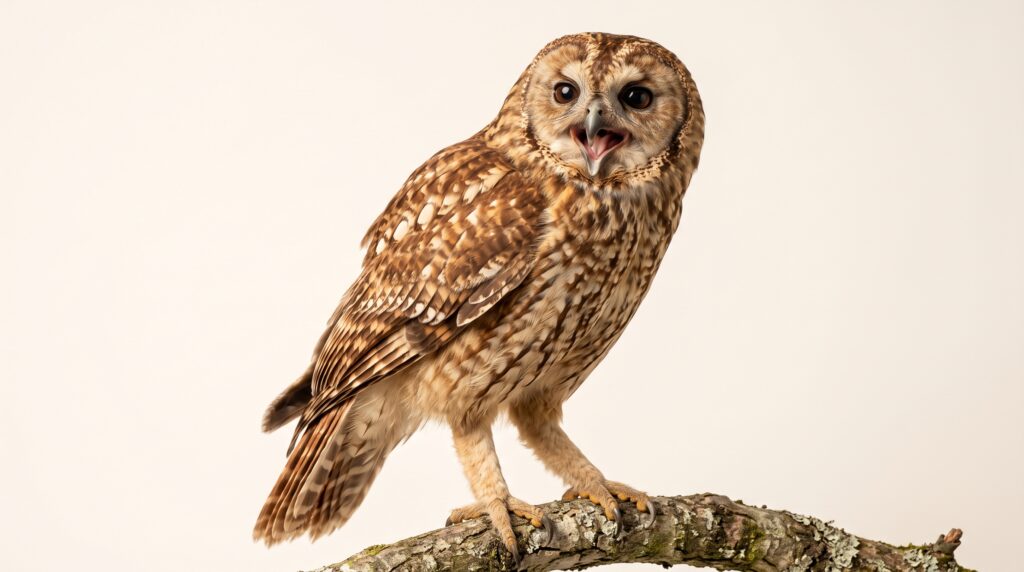
The laughing owl, or whēkau, was a large owl found only in New Zealand. Its unusual calls were described as loud, repeated sounds that sometimes resembled laughter. It hunted birds, lizards, insects and other small animals.
Its decline was linked to habitat clearance and introduced predators such as stoats, ferrets and cats. People also collected the birds for museums and private collections.
The last confirmed record was a dead bird found in South Canterbury in 1914. New Zealand’s National Library notes that the species was formally considered extinct by 1940.
20. Bubal Hartebeest
Extinct: Around 1925 | About 101 years ago

The bubal hartebeest was a North African antelope that once lived across a large area from Morocco toward Egypt. Its numbers declined as hunting increased and human settlement expanded across its habitat.
By the late 19th century, it had disappeared from much of its former range. The last known animal in Tunisia was shot in 1902, while the final confirmed animals in Morocco survived until the 1920s. The last known Moroccan individual was killed in 1925.
21. Christmas Island Pipistrelle
Last recorded: 2009 | About 17 years ago

The Christmas Island pipistrelle was a tiny insect-eating bat found only on Christmas Island, Australia. It was once widespread across the island but declined rapidly during the late 20th century.
Scientists attempted to monitor and protect the remaining bats, but the population became extremely small. The last individual was detected in August 2009. Intensive searches afterward failed to locate another bat, and the species was subsequently assessed as extinct. Its decline is thought to have involved several factors, including changes to habitat, introduced predators and possibly disease or other environmental pressures.
